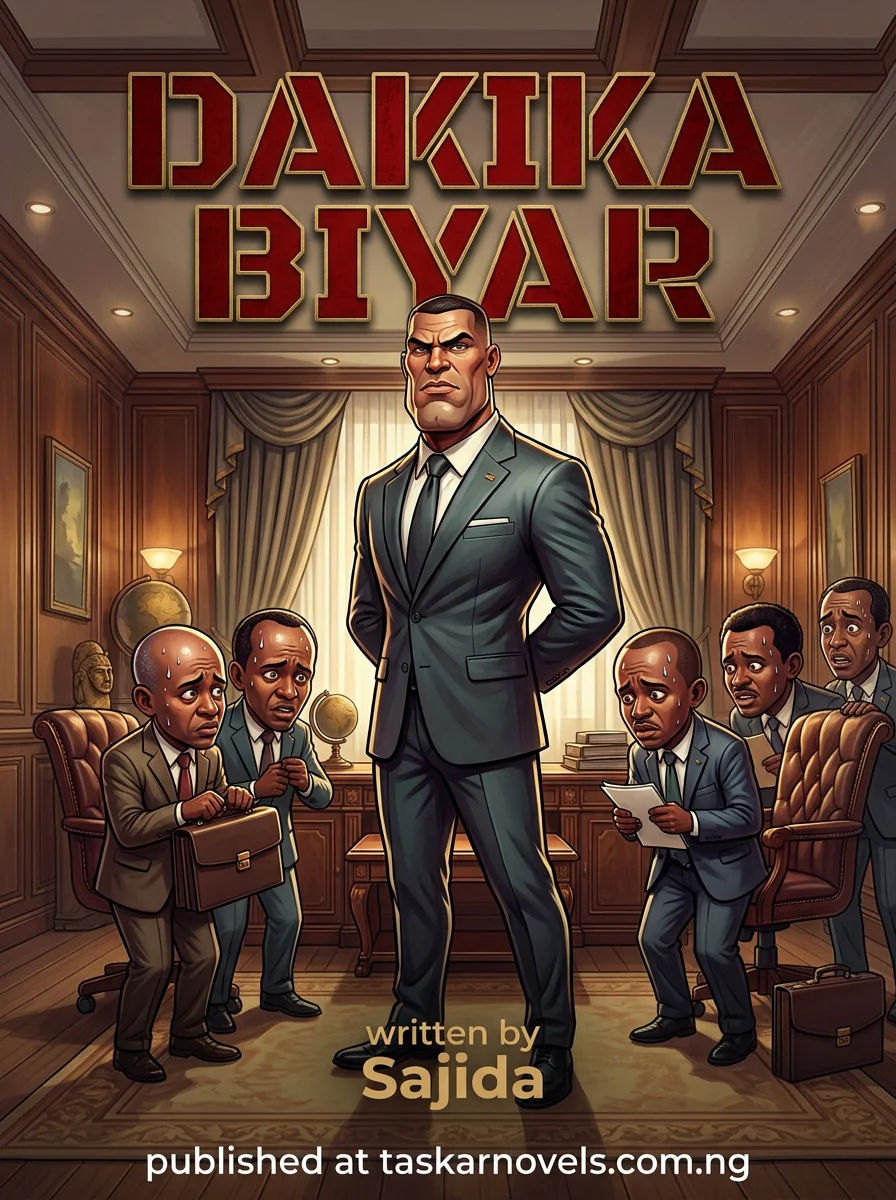
Imagine walking into a big, fancy office where the air is so thick with tension you could almost cut it with a knife. That is exactly how Sajida starts this story, and let me tell you, it grabs you from the very first page. There are five men sitting around a desk, looking at one man who is sitting in a big boss chair. This man is the Maréchal, and he is not your average officer. He is powerful, he is rich, and he has this vibe that makes everyone else in the room feel a bit small. He is looking at a piece of paper on his desk, and you can tell he is disgusted by what he sees. It is the kind of look that says he wants to laugh because the paper is so stupid, but he also wants to throw up because it is so bad. This is the energy of Dakika Biyar, a story that takes us deep into the life of a man who stands his ground no matter who is pushing him.
The Maréchal is a very interesting character because he is clearly wealthy and high-ranking, but he cares deeply about the morals of his city. He is wearing this super expensive watch, a Chopard Carats that costs millions of Euros, and he has a small silver gun tucked away. Even though he is surrounded by other big officers, including one who is older than him and looks like his own brother, everyone knows he is the one in charge. They are all waiting for him to sign a document, but he is not moving a muscle. This paper is about some kind of new rule or support for the youth in the city, but the Maréchal sees it as a way to destroy the character of young girls. He believes the city is already losing its way, and signing this paper would just make things worse. He looks at them and basically asks if they are serious about this. You can find more stories like this on Taskar Novels if you like drama that involves big men and tough choices.
One of the most intense moments in the beginning is when he looks at his own relative, Ahmad Sulaimane, who is also an officer. He is disappointed because he thinks his own blood should know better than to support something that ruins the upbringing of children. The Maréchal says something very deep here. He looks at them and says, "No human being will make me open the door to hell for myself!" This was translated from the part where he says, "babu d'an Adam d'in da zai saka ni yiwa kaina k'ofa a gidan wuta!" You can really feel his anger and his fear of God in that moment. He is a man who doesn't care about politics; he cares about what is right. He tells them he needs time to study how the girls in the city are behaving before he even thinks about signing that paper. He is not the type of boss you can just force to do something because of an "order from above."
The way Sajida describes the other men in the room is also very cool. There is a General who is much older than the Maréchal, but he still has to salute him and respect his rank. The General tries to explain that the order came from a high place and they have been waiting for two weeks for his signature. But the Maréchal just gives him a look and says, "So what?" It is so cold! The General actually has to step back because the Maréchal’s presence is so strong. It makes you wonder how one man can have so much power that even the government is scared to push him too hard. If you want to download Hausa novels that have this kind of strong male lead, you should definitely check out this one. The dialogue is sharp, and the way they talk to each other feels very real, like you are standing right there in the office watching the showdown.
After the Maréchal leaves the office, the other men stay behind to talk. This is where we see the different sides of the argument. There is a man named Joel, who is a Christian, and he has a different view. He thinks people should have the freedom to live how they want. But then you have Amir Ahmad Sulaimane, who is the Maréchal’s brother. Amir is stuck in the middle. He respects his brother, but he also knows the pressure they are under. Amir says something that really makes you think about the theme of the book. He says, "We were not created to just enjoy our lives!" This comes from the Hausa line, "Ba'a halice mu dan mu zo mu ji dadin rayuwarmu ba!" He believes they were created to serve God and follow rules, not just to do whatever feels good. This clash of ideas about freedom and religion is a big part of the story.
What I love about this book is that it doesn't just stay in the fancy offices. The Maréchal is a man of the people too. After that heavy meeting, he doesn't go to a club or a fancy restaurant. He drives to his parents' neighborhood. He hasn't been there in a few days, so he decides to stop by a "majalisar samari," which is like a local hangout spot where young guys sit and talk. He parks his car a bit far away because he doesn't want to scare anyone. It shows that even though he is a big "Maréchal" with a million-dollar watch, he still knows where he came from. When he walks up to the guys, they all freeze. One guy named Yusuf, who is like the leader of the group, jumps up in surprise. They are all shocked to see such a big man in their small hangout. You can read more Hausa novels online that show this kind of mix between the rich life and the street life.
The scene at the hangout is actually quite funny and sweet. The Maréchal just sits down on a regular chair and asks for tea. He says, "Baba, can I get some tea?" Yusuf is so flustered that he starts calling him "Oga" and rushing to make the tea. All the other boys who were talking and making noise suddenly go quiet. It is like the principal just walked into a classroom. But the Maréchal isn't there to arrest them or be mean; he just wants to be among his people and hear what is going on in the world. He drinks his tea, smiles at them, and then gets up to leave. As soon as he drives away, the boys start breathing again. One guy named Abbas, who was smoking a cigarette, was so scared he tried to hide it. He asks his friend if the Maréchal saw him. It shows how much respect and fear people have for him, even when he is being nice.
This book, Dakika Biyar, is really about the choices we make and how those choices affect our community. The Maréchal is worried that the city is losing its culture because of things like TikTok and Instagram. He sees young people copying foreign cultures and losing their modesty. He feels like if he signs that paper, he is helping the society fall apart. The title "Five Minutes" probably refers to how quickly things can change or how a small decision can have a huge impact. Sajida does a great job of making you feel the weight of these decisions. It is not just a romance or a political thriller; it is a story about a man’s soul and his duty to his people. For those looking for the best Hausa novels, this one is definitely on the list because it makes you think about your own values.
As the story goes on, you see more of the Maréchal’s personal life and the dangers he faces. He isn't just sitting in an office; he actually goes out on patrol at night. Sometimes he goes to the dangerous roads like the one to Tilabery where terrorists and criminals hide. He is a man of action. He doesn't just talk about morality; he goes out and tries to protect people. The contrast between his expensive suit in the office and him holding a gun on a dark road is very cool. You can tell that he is a man who is searching for something, maybe peace or maybe just a way to do his job without losing his faith. The writing is simple but it hits hard, especially when the characters talk about their fears and their hopes for the country.
I really enjoyed how the author showed the relationship between the Maréchal and his secretary too. She knows him so well that she doesn't even say "goodnight" because she knows he might come back at any time to work or go on a patrol. There is a lot of loyalty in this book, but there is also a lot of backstabbing happening in the background with the other officers. You can tell that some people want the Maréchal to fail because he is too honest and too powerful. They want to replace him with someone who will just follow orders and sign whatever paper they put in front of them. But our hero is not going down without a fight. If you want to see how it all ends and follow the rest of the drama, you can find this book and many others on Taskar Novels. It is the best place to get your fix of great stories that feel real and exciting. Go check it out!